Coffee Grind Size Chart: Master Visual Guide & Dial-In Manual
Grind size is the single most powerful variable in coffee brewing. It controls extraction kinetics, chemical diffusion rates, hydrostatic flow resistance, and sensory sweetness. Use this visual guide, macro photography comparisons, and cross-grinder conversion tables to dial in any brewer to perfection.
Quick Answer
The Golden Rule of Coffee Grinding:
Shorter brew contact time = Finer grind size. Longer contact time = Coarser grind size.
1. Master Coffee Grind Size Chart
Micron diameters, tactile household comparisons, and optimal brewing methods.
| Grind Level | Micron Range | Tactile Reference | Ideal Brew Methods | Contact Time |
|---|---|---|---|---|
| Extra Fine | 50 – 150 μm | Flour / Talcum Powder | Turkish Coffee (Cezve / Ibrik) | Instantaneous (< 1 min) |
| Fine | 200 – 380 μm | Fine Table Salt | Espresso (9-Bar Pump) | 25 – 35 Seconds |
| Medium-Fine | 380 – 550 μm | Fine Beach Sand | Hario V60 Single Cup | 2:30 – 3:15 Minutes |
| Medium | 550 – 750 μm | Kosher Salt / Granulated Sand | Automatic Drip Makers (Moccamaster, Breville) | 4:00 – 6:00 Minutes |
| Medium-Coarse | 750 – 950 μm | Rough Coarse Sand | Chemex (Thick Bonded Filters) | 3:30 – 4:30 Minutes |
| Coarse | 950 – 1200 μm | Flaky Sea Salt / Raw Sugar | French Press (Plunger) | 4:00 – 8:00 Minutes |
| Extra Coarse | 1200 – 1600+ μm | Cracked Peppercorns | Cold Brew Immersion | 12 – 24 Hours |
2. Visual Grind Size Profiles: Macro Photography & Tactile Feel
Inspect physical ground particles at 1mm calibration scale with exact tactile pinch tests.
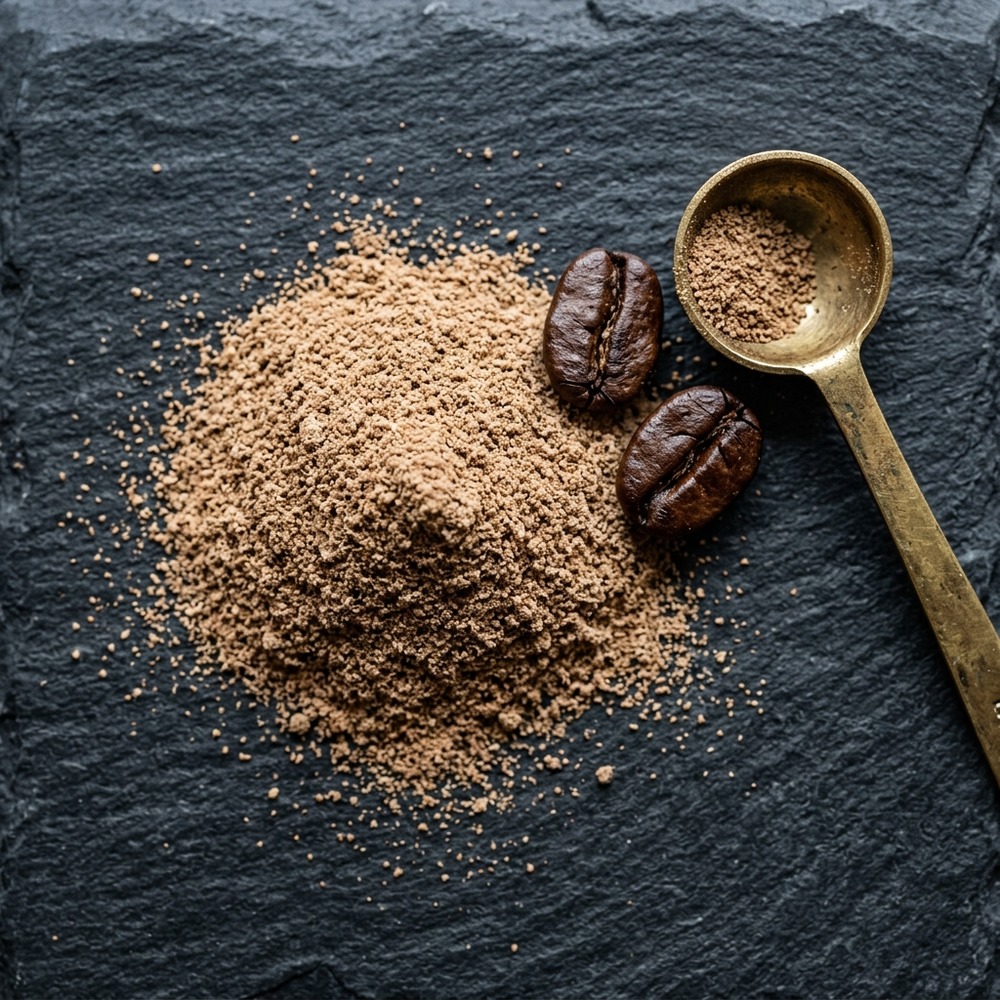
Extra Fine (Turkish & Cezve)
Tactile Finger Test: Smooth and silky with zero grit. Clumps together when pressed between fingers.
Best Brewing Methods: Turkish Coffee (Cezve / Ibrik), Greek Coffee.
Water Temperature: 160°F – 195°F (Brought to gentle foam).
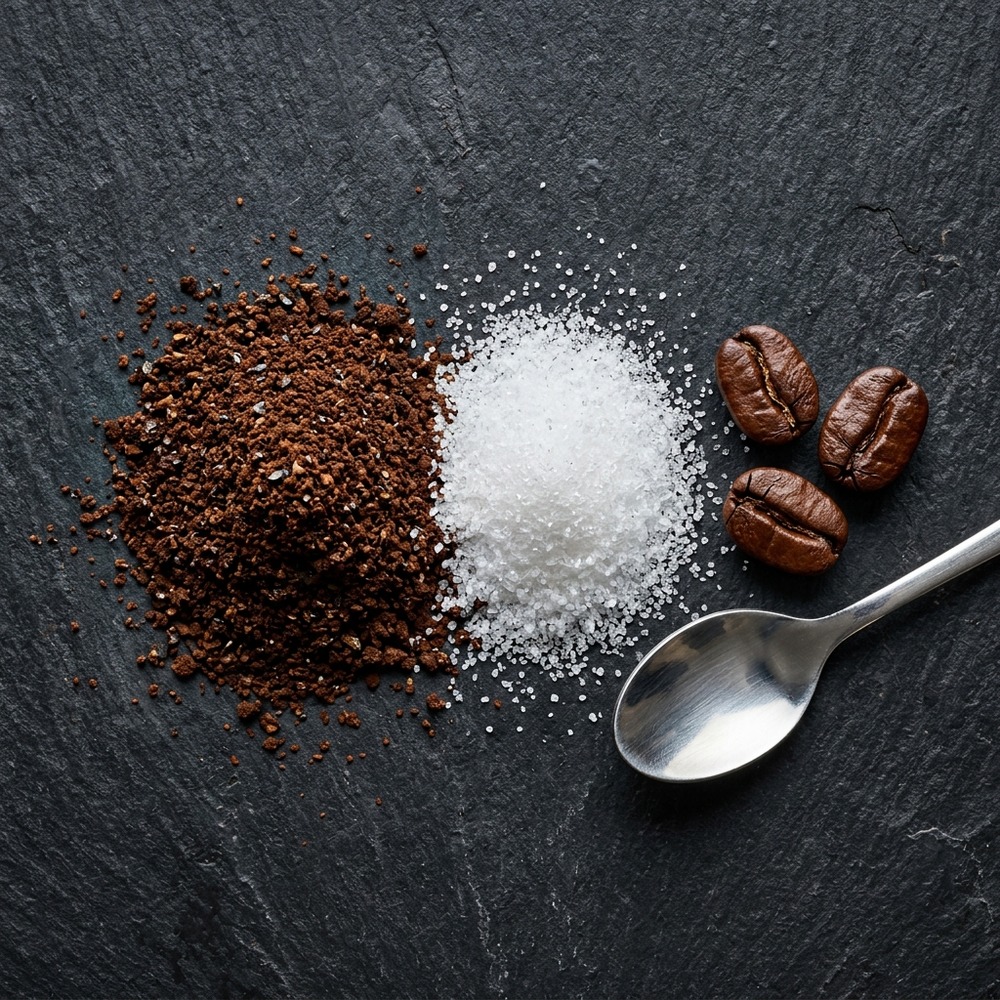
Fine (Espresso & Moka Pot)
Tactile Finger Test: Grainy like fine salt, but still dusty enough to soil fingers with coffee oils.
Best Brewing Methods: Espresso (9-Bar Pump), Bialetti Moka Pot, AeroPress (Short Espresso Style).
Water Temperature: 198°F – 203°F (92°C – 95°C).
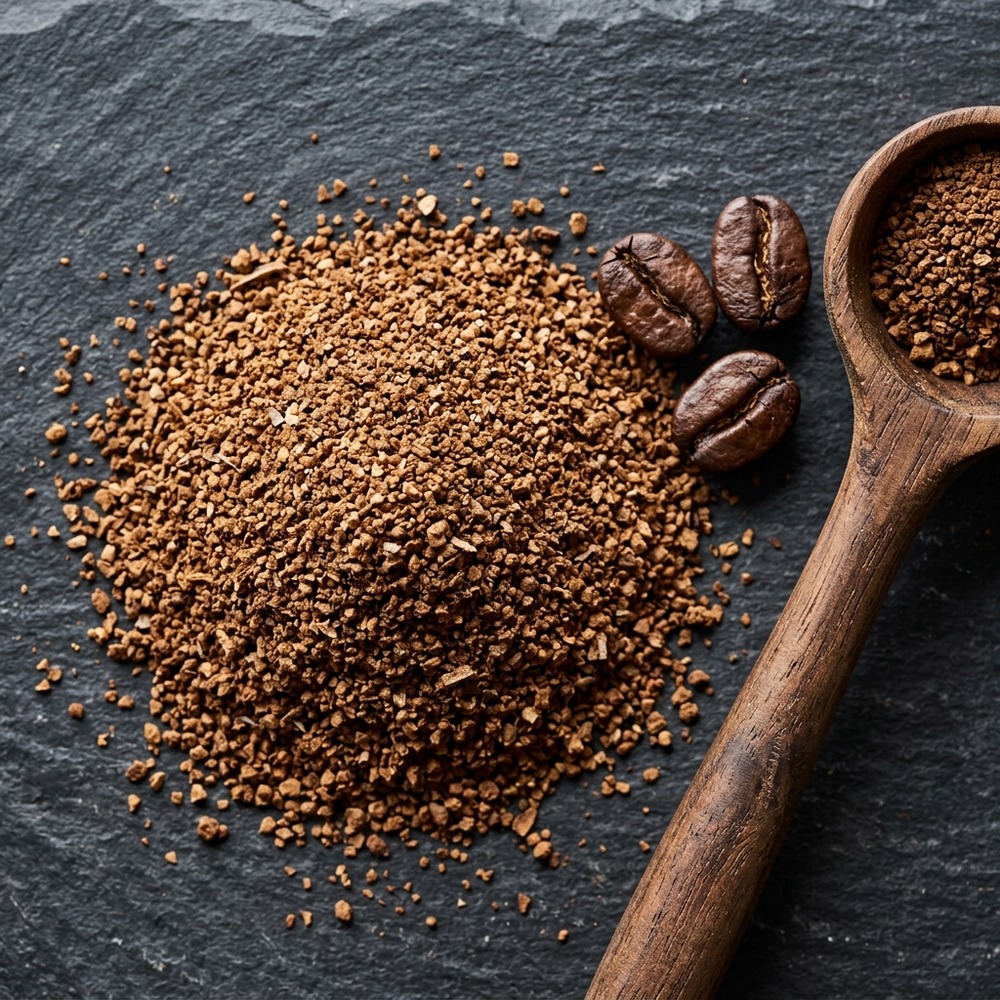
Medium-Fine (V60, AeroPress & Siphon)
Tactile Finger Test: Distinct small grains that slip freely through fingertips with slight crystalline texture.
Best Brewing Methods: Hario V60 Single Cup, AeroPress (Standard 2-Min), Siphon / Vacuum Pot, Kalita Wave 155.
Water Temperature: 200°F – 208°F (93°C – 98°C).
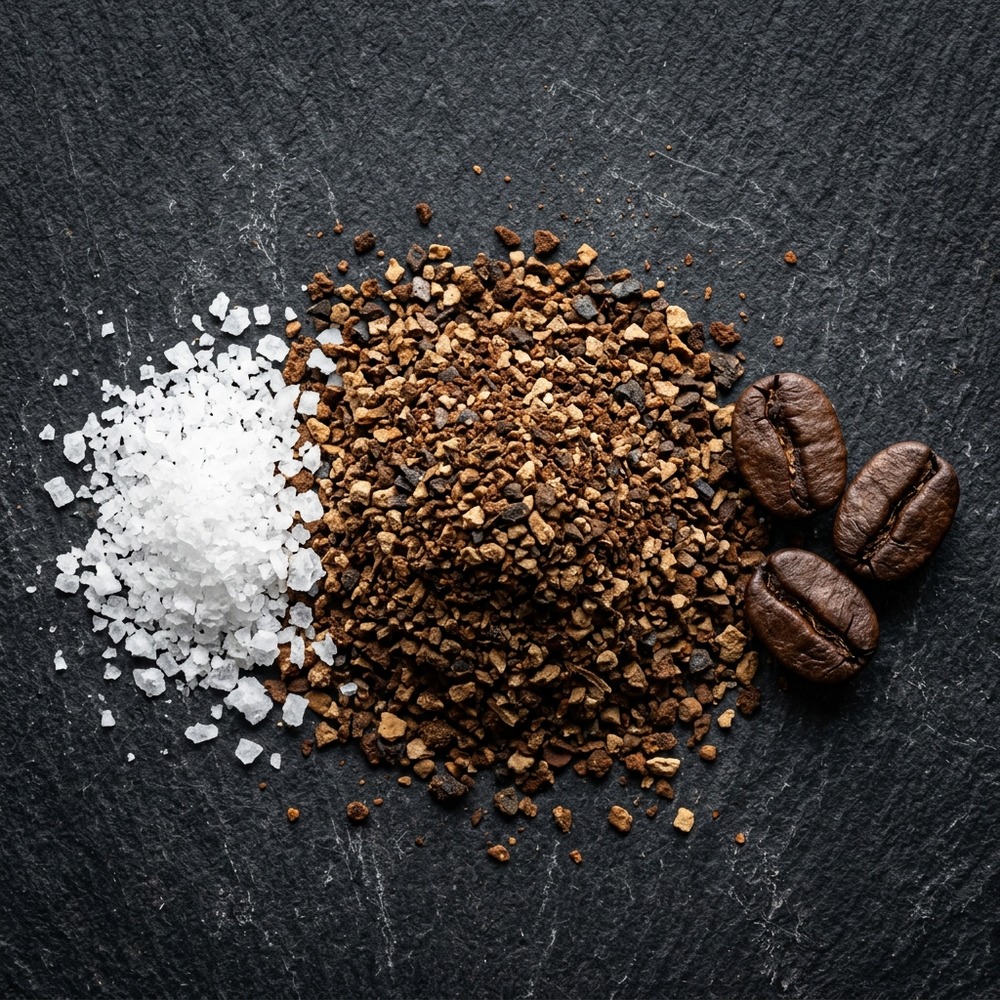
Medium (Drip Coffee & Flat Bottom)
Tactile Finger Test: Feels like coarse sea sand; each individual grain is distinct and does not stick together.
Best Brewing Methods: Automatic Drip Makers (Moccamaster, Breville), Kalita Wave 185, Flat-Bottom Basket Brewers.
Water Temperature: 198°F – 205°F (92°C – 96°C).
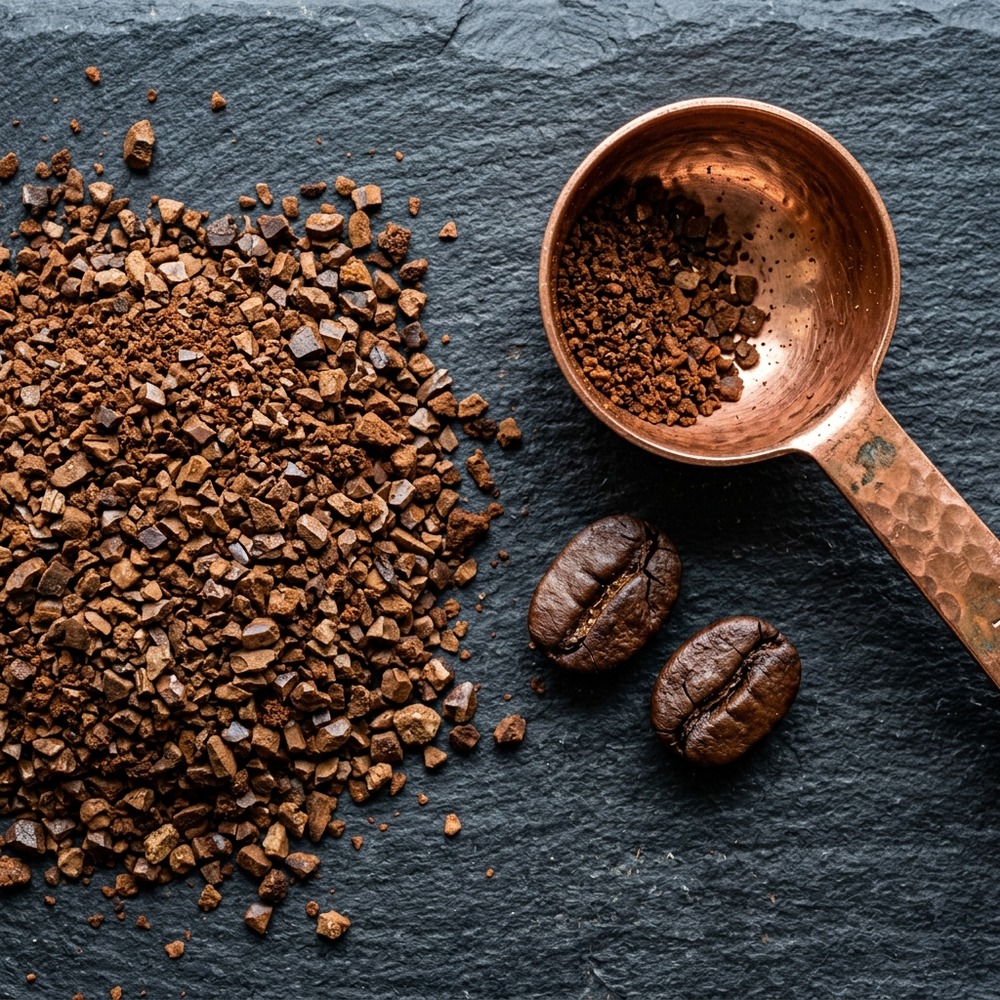
Medium-Coarse (Chemex & Clever Dripper)
Tactile Finger Test: Gritty and rough like beach pebbles or coarse potters sand.
Best Brewing Methods: Chemex (Thick Bonded Filters), Clever Dripper (Hybrid Immersion), Hario Switch, Café Solo.
Water Temperature: 202°F – 206°F (94°C – 97°C).
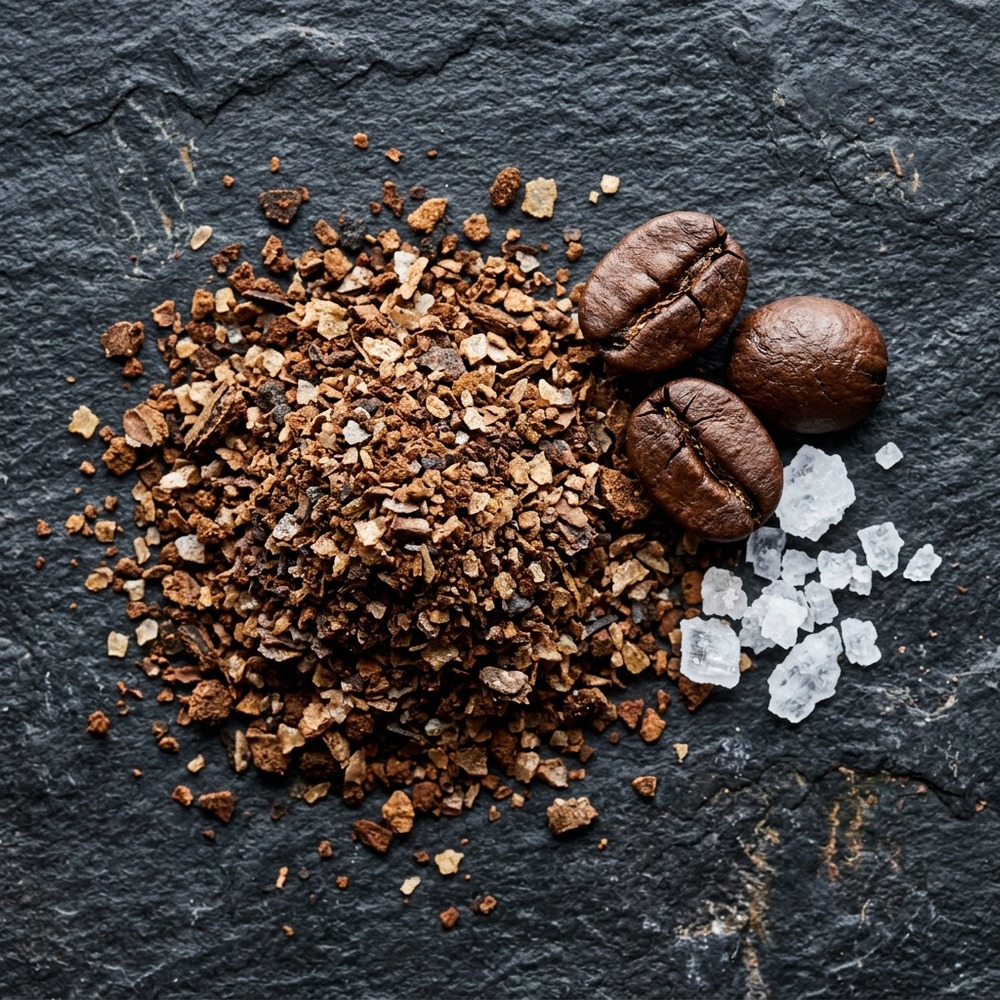
Coarse (French Press & Cupping)
Tactile Finger Test: Heavy, angular chunky flakes. Visible chunks that bounce cleanly off skin.
Best Brewing Methods: French Press (Plunger), SCA Cupping Protocols, Coffee Percolators.
Water Temperature: 202°F – 208°F (94°C – 98°C).
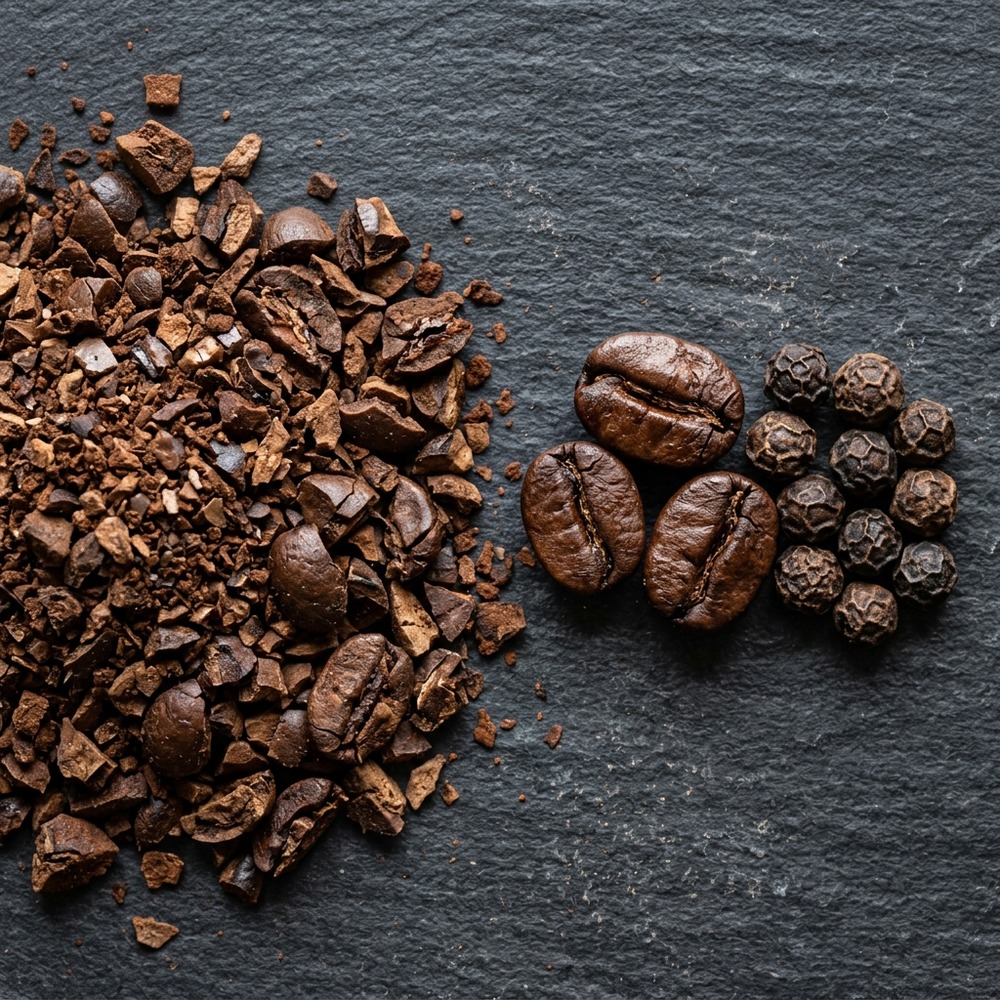
Extra Coarse (Cold Brew & Toddy Steeping)
Tactile Finger Test: Large broken fragments of beans; looks like coarse ground pepper or crushed rock salt.
Best Brewing Methods: Cold Brew Immersion, Toddy Brewing System, Dutch Cold Drip Towers, Cowboy Coffee.
Water Temperature: 38°F – 68°F (Chilled or Ambient).
3. Cross-Grinder Dial Translation Table
Convert target brew methods directly to numbers and clicks on popular burr grinders.
| Method | Microns | Baratza Encore | Fellow Ode Gen 2 | Comandante C40 | Timemore C2 | 1Zpresso JX-Pro | Breville SGP |
|---|---|---|---|---|---|---|---|
| Turkish | 50–150 μm | 1–3 (Not Rec.) | N/A (Filter Only) | 5–8 clicks | 6–8 clicks | 1.0–1.4 rot. | 1–5 |
| Espresso | 200–380 μm | 4–9 (ESP only) | N/A (Filter Only) | 10–15 clicks | 10–13 clicks | 1.4–2.2 rot. | 6–14 |
| Moka Pot | 350–500 μm | 10–13 | 1.0–2.2 | 16–19 clicks | 14–16 clicks | 2.3–2.8 rot. | 15–22 |
| AeroPress | 400–600 μm | 12–16 | 2.1–4.0 | 18–22 clicks | 15–18 clicks | 2.8–3.4 rot. | 22–30 |
| Pour Over (V60) | 450–650 μm | 14–18 | 3.2–5.1 | 22–27 clicks | 18–22 clicks | 3.5–4.2 rot. | 30–38 |
| Chemex | 700–900 μm | 20–24 | 5.2–7.2 | 27–31 clicks | 23–26 clicks | 4.3–5.0 rot. | 40–48 |
| Drip Maker | 600–800 μm | 18–22 | 4.2–6.1 | 24–28 clicks | 20–24 clicks | 3.8–4.6 rot. | 35–44 |
| French Press | 950–1200 μm | 28–32 | 8.1–10.0 | 30–35 clicks | 26–30 clicks | 5.0–6.2 rot. | 50–56 |
| Cold Brew | 1200–1600+ μm | 34–40 | 10.1–11.0+ | 35–42 clicks | 30–34 clicks | 6.5–7.5 rot. | 56–60 |
4. Method-by-Method Dialing Protocols
Step-by-step extraction blueprints for 6 dominant brewing methods.
Hario V60 Pour Over
Medium-Fine (450–600 μm)- • Target Ratio: 1:16.7 (15g coffee to 250g water).
- • Water Temp: 205°F–208°F (96°C–98°C) for light roast.
- • Target Drawdown: 2:45 – 3:15 minutes total.
- • Pour Cadence: 45g bloom (45s), then gentle concentric spirals.
Espresso (9-Bar Machine)
Fine (200–350 μm)- • Target Ratio: 1:2.0 (18g dry dose → 36g liquid yield).
- • Extraction Time: 25 to 30 seconds from pump start.
- • Water Temp: 200°F–202°F (93°C–94.5°C).
- • Target TDS: 8.5% – 10.5% (Concentrated emulsion).
French Press (Plunger)
Coarse (900–1200 μm)- • Target Ratio: 1:15 (30g coffee to 450g water).
- • Steep Time: 4:00 min (traditional) or 9:00 min (Hoffmann technique).
- • Water Temp: 205°F (96°C).
- • Plunger Rule: Do not press aggressively; push down gently without compacting.
Cold Brew Immersion
Extra Coarse (1200–1600+ μm)- • Concentrate Ratio: 1:5 to 1:8 (e.g. 100g coffee to 600g water).
- • Steep Duration: 16 to 24 hours at room temp or refrigerator.
- • Filtration: Dual-stage (mesh sieve + paper filter).
- • Profile: Rich chocolate, sweet molasses, low perceived acidity.
5. The Physics of Extraction & Particle Distribution
Why grind consistency matters exponentially more than bean cost.
Coffee brewing is governed by Fick’s First Law of Chemical Diffusion. Soluble flavor compounds (fruity organic acids, sweet caramels, bitter tannins, and caffeine) diffuse out of porous roasted coffee cells into hot water at a rate strictly dictated by surface area to volume ratio.
Exponential Surface Area Curve
Grinding 1 roasted coffee bean into French press chunks creates ~2,500 particles. Grinding that same bean into espresso dust creates over 350,000 particles, increasing contact surface area by more than 1,400%. This explains why espresso extracts in 25 seconds while cold brew takes 18 hours.
The Particle Distribution Curve
No grinder produces 100% identical particles. A high-end burr grinder creates a steep unimodal curve with a tight peak. In contrast, cheap blade grinders produce a flat, chaotic curve littered with micro-fines (<100 μm) and boulders (>1400 μm) simultaneously.
Why Micro-Fines Ruin Filter Coffee:
Fines are microscopic coffee dust flakes (<100 microns). Because they have immense surface area, they extract 100% of their chemical compounds in less than 15 seconds. During a 3-minute pour-over, these fines become severely over-extracted, releasing bitter chlorogenic lactones and quinic acids. Simultaneously, they migrate to the bottom of the filter paper, blocking drainage holes and stalling drawdown.
6. The Sensory Barista Flavor Compass
Diagnose cup defects by taste and apply corrective grinder clicks immediately.
Water flowed through too rapidly or particle cores remained unreached.
2. Raise kettle water temperature by 3°F (e.g. from 200°F to 203°F).
3. Slow down your pouring rate to increase contact duration.
Water lingered too long, dissolving heavy astringent and bitter organic polymers.
2. Lower water temperature by 3°F to 5°F to reduce extraction aggression.
3. Agitate less during the pour to prevent fines settling.
The Roast Level Variable: Why One Size Does Not Fit All
7. Pro Barista Sifting & Calibration Hacks
Three zero-cost barista techniques to dramatically enhance cup clarity.
The Paper Towel Sifter
If your grinder produces fines that stall your V60, pour your ground coffee onto a dry paper towel and spread it lightly. The rough cellulose fibers statically grab microscopic fines (<100 μm). Tilt the towel to slide the clean, uniform particles into your brewer.
The RDT Water Droplet
Dip the handle of a metal teaspoon into clean water and stir it once through your whole coffee beans before dumping them into your grinder hopper. The single droplet of moisture neutralizes static, stopping grounds from clinging to burrs and eliminating counter mess.
The Coin Thickness Test
When tuning espresso without a microscope, place a single layer of grounds next to the edge of a US Dime (1.35 mm). Good espresso grounds should be roughly 1/4th the thickness of the dime edge (approx. 300 microns). If grains match the full coin thickness, they are too coarse.
8. Frequently Asked Questions
Authoritative answers to the most common search questions about coffee grind size.
How do I know if my coffee grind size is correct?↓
The definitive test is sensory taste and brew contact time. Balanced coffee tastes sweet, pleasantly acidic, and clean with a lingering chocolate or caramel finish. If your cup tastes sour, salty, or sharp, your grind is too coarse (under-extraction). If it tastes bitter, dry, ashy, or leaves your tongue chalky, your grind is too fine (over-extraction or channeling).
What coffee grind size should I use for pour-over (Hario V60)?↓
Hario V60 requires a medium-fine grind (approx. 380–550 microns), resembling fine beach sand or slightly coarse table salt. A single-cup brew (15g coffee to 250g water) should complete its drawdown between 2:45 and 3:15 minutes. If drawdown stalls past 3:45, grind coarser; if water rushes through under 2:15, grind finer.
What grind size is best for French Press?↓
Traditional French press uses a coarse grind (approx. 950–1200 microns), resembling flaky sea salt or raw demerara sugar, with a 4-minute steep. However, the James Hoffmann French press method uses a medium-coarse grind (~750–900 microns) paired with a longer 9–10 minute settling time for significantly sweeter, clearer extraction without sediment.
What grind size is needed for espresso machines?↓
Espresso demands a fine grind (approx. 200–380 microns), feeling like fine table salt with powdery talc notes. The grounds must compact into a puck that creates 9 bars of hydrostatic pressure resistance, extracting an 18g dose into a 36g liquid shot in exactly 25 to 30 seconds.
Why does Cold Brew require an extra coarse grind?↓
Cold brew steeps for 12 to 24 hours. Because coffee grounds sit in room temperature or chilled water for a massive duration, extra coarse particles (1200–1600+ microns, resembling cracked peppercorns) are necessary to slow down compound diffusion and prevent bitter, muddled flavors while preserving natural sweetness.
Can I use a blade grinder for specialty coffee?↓
Blade grinders are strongly discouraged for specialty coffee. Spinning metal blades chop beans randomly through impact rather than controlled shearing, producing a chaotic blend of micro-fines (<50 μm) and huge boulders (>1500 μm). The fines immediately over-extract into bitter astringency while the boulders under-extract into sour liquid simultaneously.
Does roast level change the required grind size?↓
Yes, significantly. Light roast beans are dense, hard, and retain tight cellular moisture, requiring a finer grind and hotter water (205°F–210°F / 96°C–99°C) to yield proper extraction. Dark roast beans are brittle, porous, and highly soluble; they require a coarser grind and cooler water (195°F–200°F / 90°C–93°C) to prevent harsh bitter extraction.
How do microns translate across different coffee grinders?↓
Microns (μm) measure the actual diameter of coffee particles (1 mm = 1,000 microns). Grinder dials (clicks, numbers) are mechanical pitch settings specific to that manufacturer’s burr threading. A setting of 15 on a Baratza Encore (~650 μm) is not identical to a 15 on a Breville Smart Grinder Pro or 15 clicks on a Comandante C40.
What is the Ross Droplet Technique (RDT)?↓
RDT is a barista technique where you add a tiny droplet of water (or a light mist from an atomizer) to whole coffee beans immediately before grinding. This dramatically neutralizes static electricity inside burr chambers, reducing coffee retention, mess, and flyaway chaff by over 90%.
How often should I clean my burr grinder?↓
For daily home use, perform a quick dry-brush purge weekly to clear stale retention. Every 3 to 4 weeks, clean the burrs thoroughly using food-grade grinder cleaning tablets (like Urnex Grindz) or disassemble the top burr to vacuum residual oils that oxidize and impart rancid notes to fresh beans.
Explore Coffee Nutrify Professional Calculators
Dial in your water ratios, brew timers, caffeine metabolism, and beverage calories.
Interactive Grind Size Guide
Visual dial-in tool with animated particle size slider.
Coffee to Water Ratio Calculator
SCA Golden Cup ratios for all 12 brew methods.
Espresso Dial-In Studio
Shot flow rate, extraction yield (EY%), and TDS modeling.
Coffee Brewing Timer & Pacer
Timestamp-accurate stopwatch with stage bloom pacing.
Coffee Per Cup Calculator
Exact grounds, scoops, and bean weights for any cup size.
French Press Ratio Chart
Dedicated 1 to 8 cup ratio reference tables.
Last updated: September 26, 2026
Editorial review: Researched and reviewed by the Coffee Nutrify editorial team. Data sourced from publicly available references including USDA FoodData Central, SCA brewing standards, and FDA consumer guidance where applicable.
Last updated: · About Coffee Nutrify · Terms & Disclaimers